LEDCO’s Type B Projects Are Shaping Longview’s Future
By Christina Cavasos
When drivers cruise down Bill Stoudt Parkway or jog across the city’s growing trail network, few realize that behind these everyday conveniences lies a strategic force quietly shaping Longview’s quality of life: the Longview Economic Development Corporation (LEDCO). Known primarily for its role in recruiting industry and creating jobs, LEDCO is also a major player in community development through its Type B project authority, which allows economic development corporations in Texas to invest directly in quality-of-life infrastructure. From parks and trails to public safety facilities and transportation enhancements, these investments have reshaped Longview’s landscape over the past decade. “At the end of the day, those amenities, those quality-of-life improvements, help showcase the strength of our community,” LEDCO President Wayne Mansfield said. “When communities are investing back into their spaces, companies get assurance that their investment is going to be protected and not forgotten about.”
Understanding Type B Authority
To understand Longview’s approach, it helps to look back to 1979 when Texas passed the Development Corporation Act, which permitted Texas cities to create economic development corporations to foster job growth and business development. Over time, the funding was split into two types of corporations, Type A and Type B. Type A economic development entities focus on business recruitment and industrial development while Type B corporations focus on community development and quality-of-life projects. LEDCO was established in 1991 by Longview voters as a Type A corporation, but in the mid-1990s, voters gave approval for LEDCO to have some Type B authority, which allowed the organization to invest in community development projects, such as parks, trails, infrastructure, and certain public safety assets. “We can’t buy a fire truck,” Mansfield clarified with a smile, “but in terms of public safety, we can fund things like traffic signals, which is a ‘fixed asset’ that benefits the community.”
George Richey Expansion
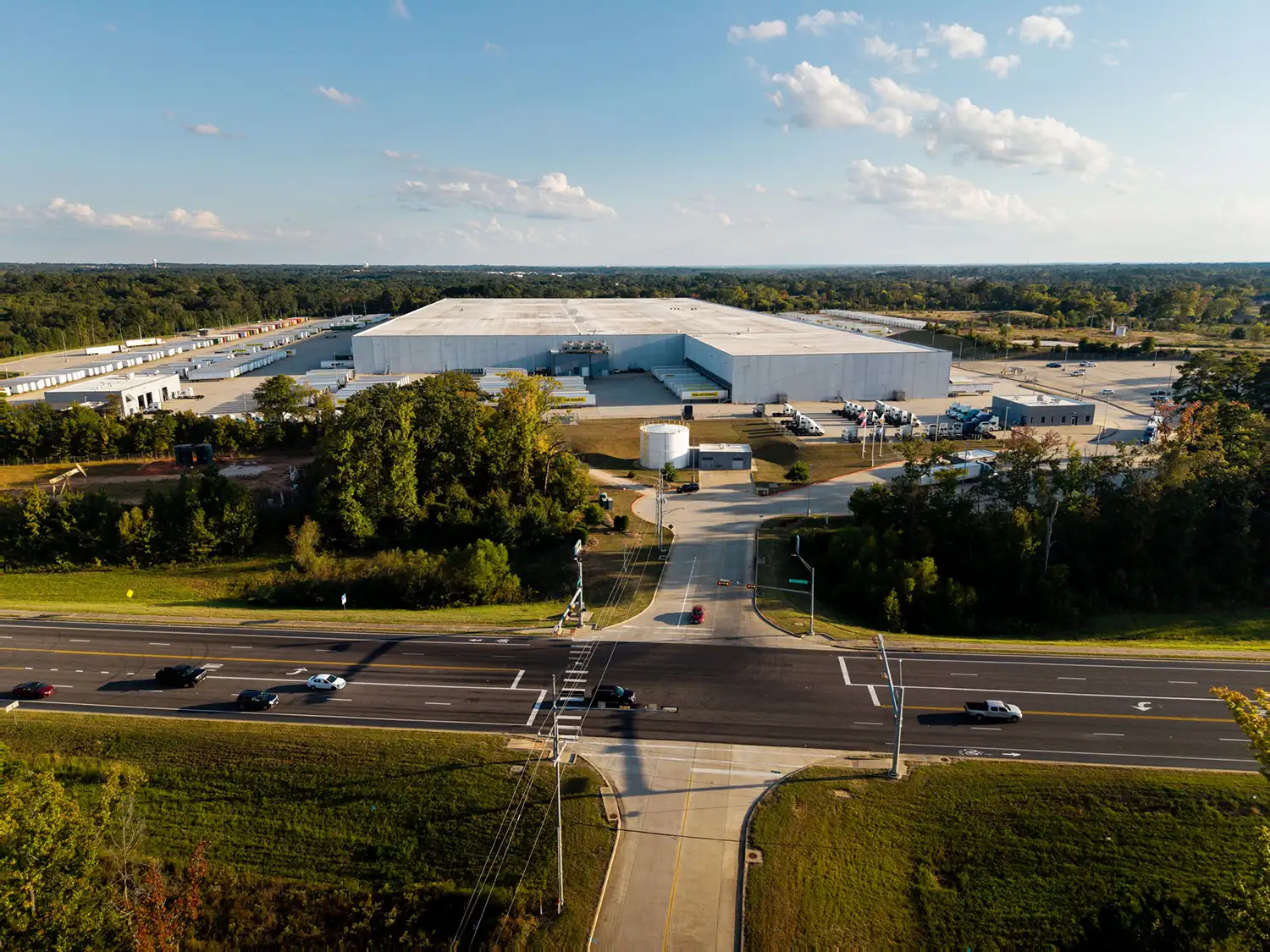
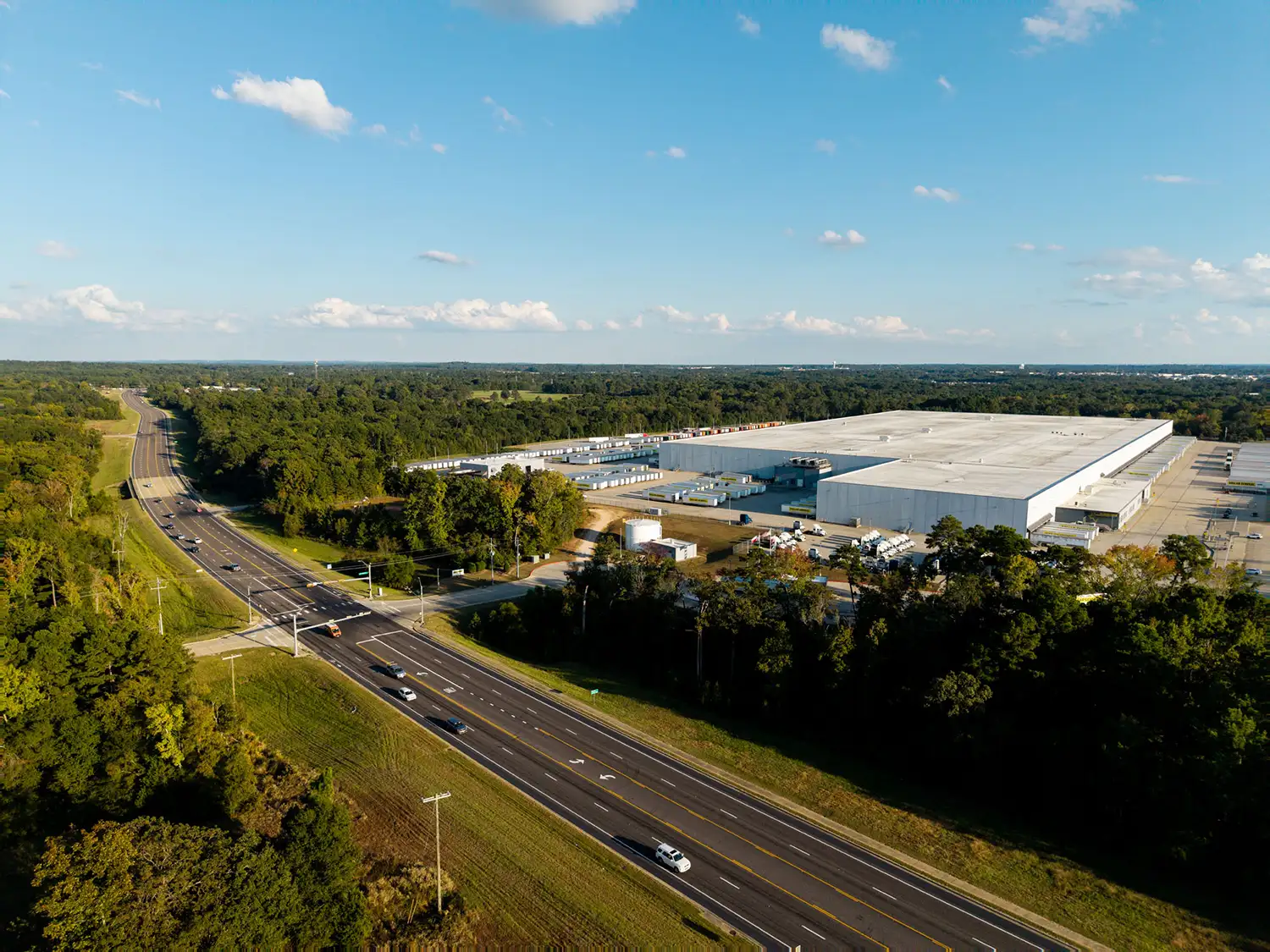
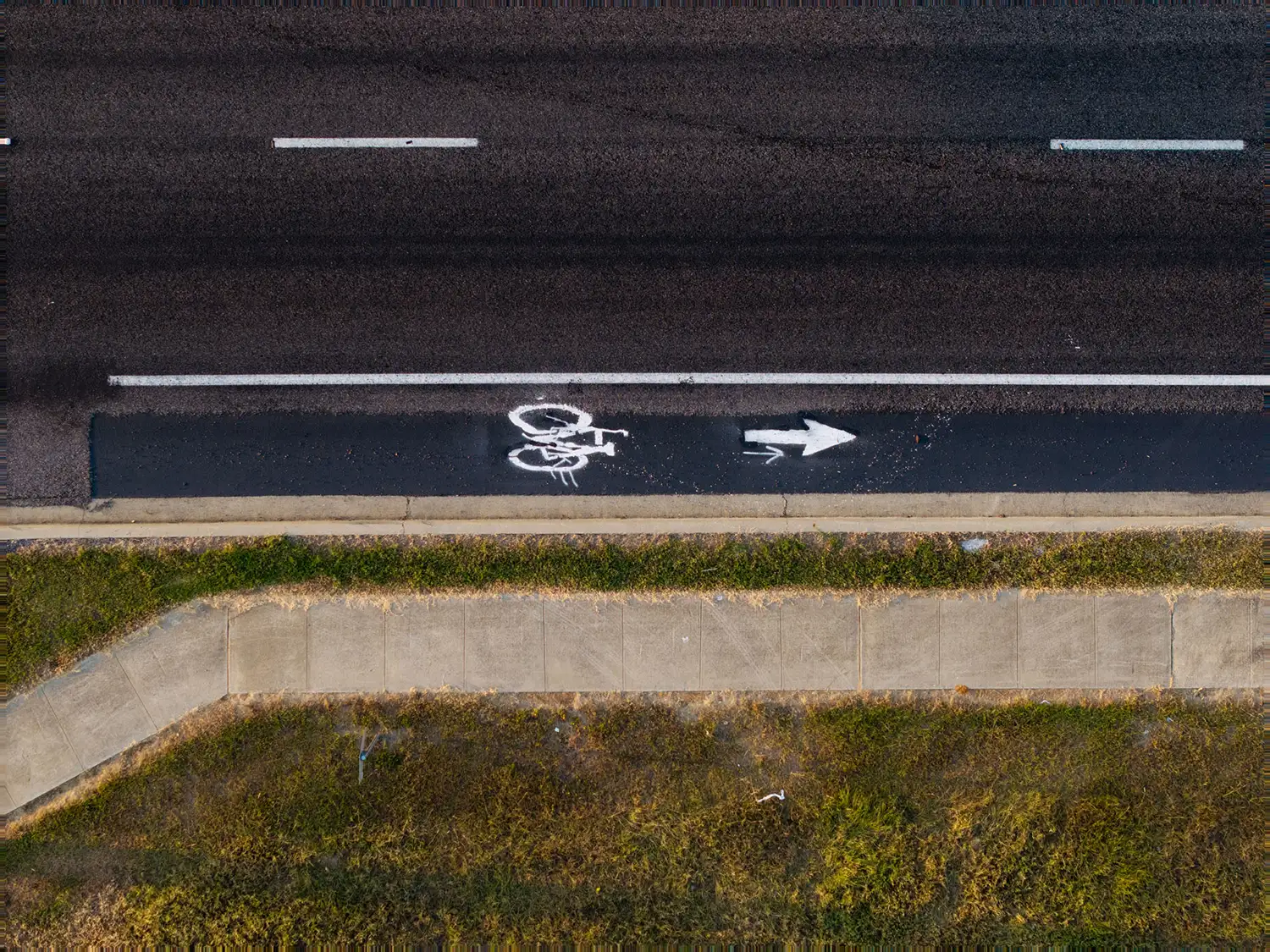
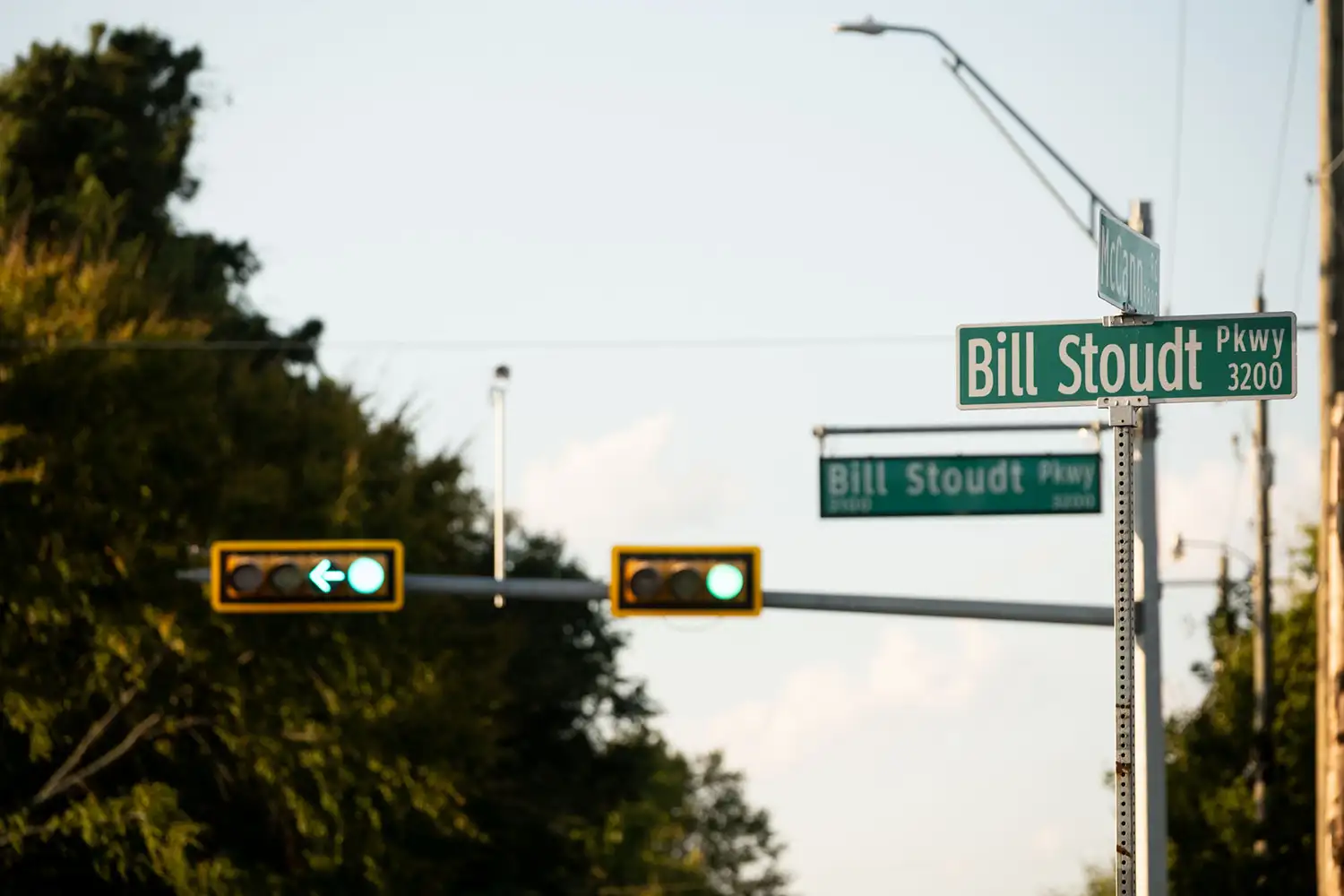
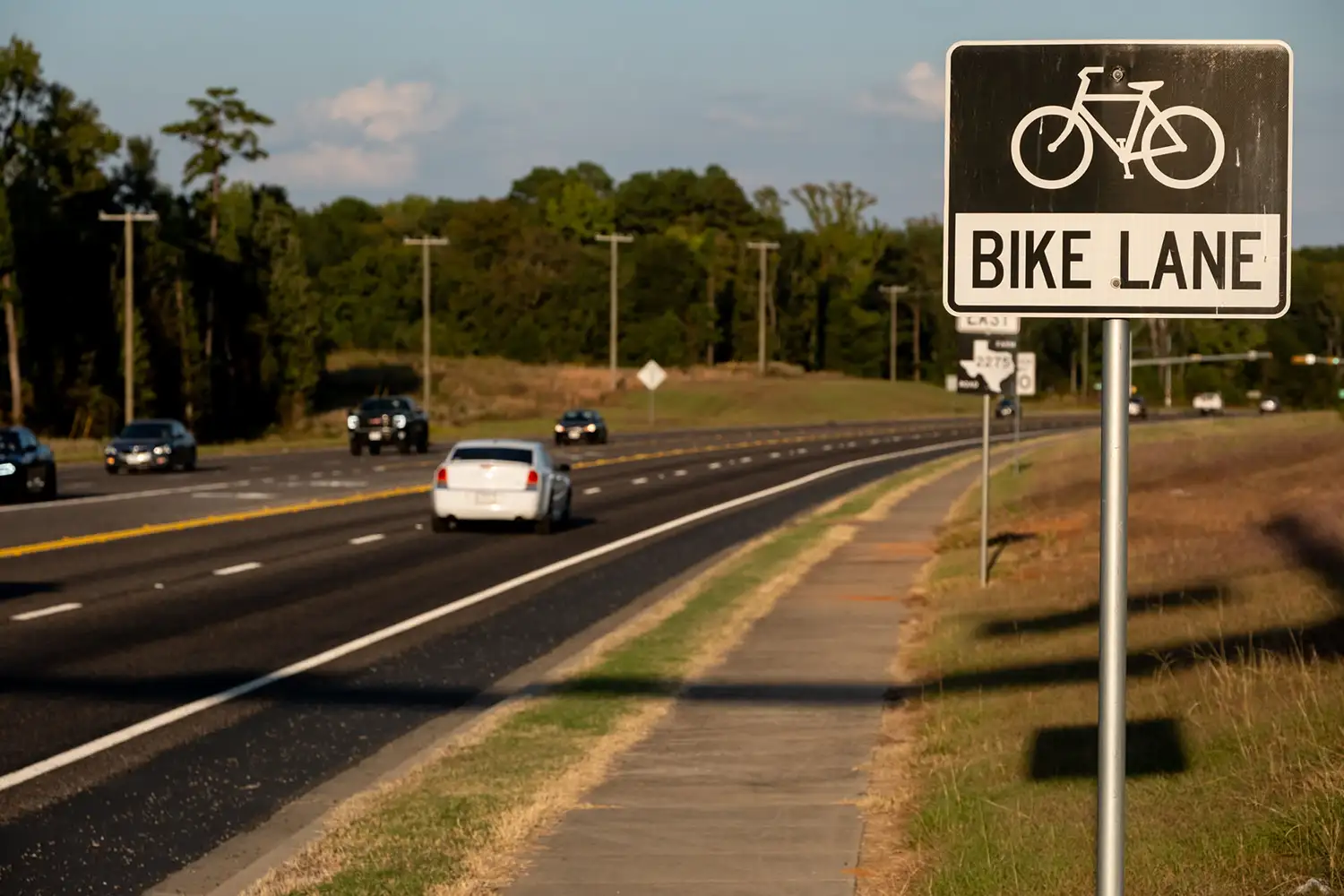
One of LEDCO’s most transformative Type B investments is George Richey Road, which is now known as Bill Stoudt Parkway. The extension connected George Richey Road from Texas 300 (Gilmer Road) to U.S. 259. When completed, the road featured four travel lanes, a continuous turn lane, cycling lanes, and sidewalks. The extension project received funding support from several local entities, including Gregg County, City of Longview, LEDCO, and the Longview Metropolitan Planning Organization as well as the Texas Department of Transportation. LEDCO contributed $3,850,000 toward the project. Another phase of the extension is currently underway to expand the portion of the road between FM 1845 (Pine Tree Road) and U.S. 271 in Gladewater. “That road project had such an impact on our community in a positive way,” Mansfield said. “It’s drawn attention to our business park, and once it’s complete, it will be an even quicker thoroughfare.” For residents who live and work in West Longview, the road isn’t just an infrastructure improvement. It’s a new corridor of growth, setting the stage for future industrial and commercial development.
Trails Expansion
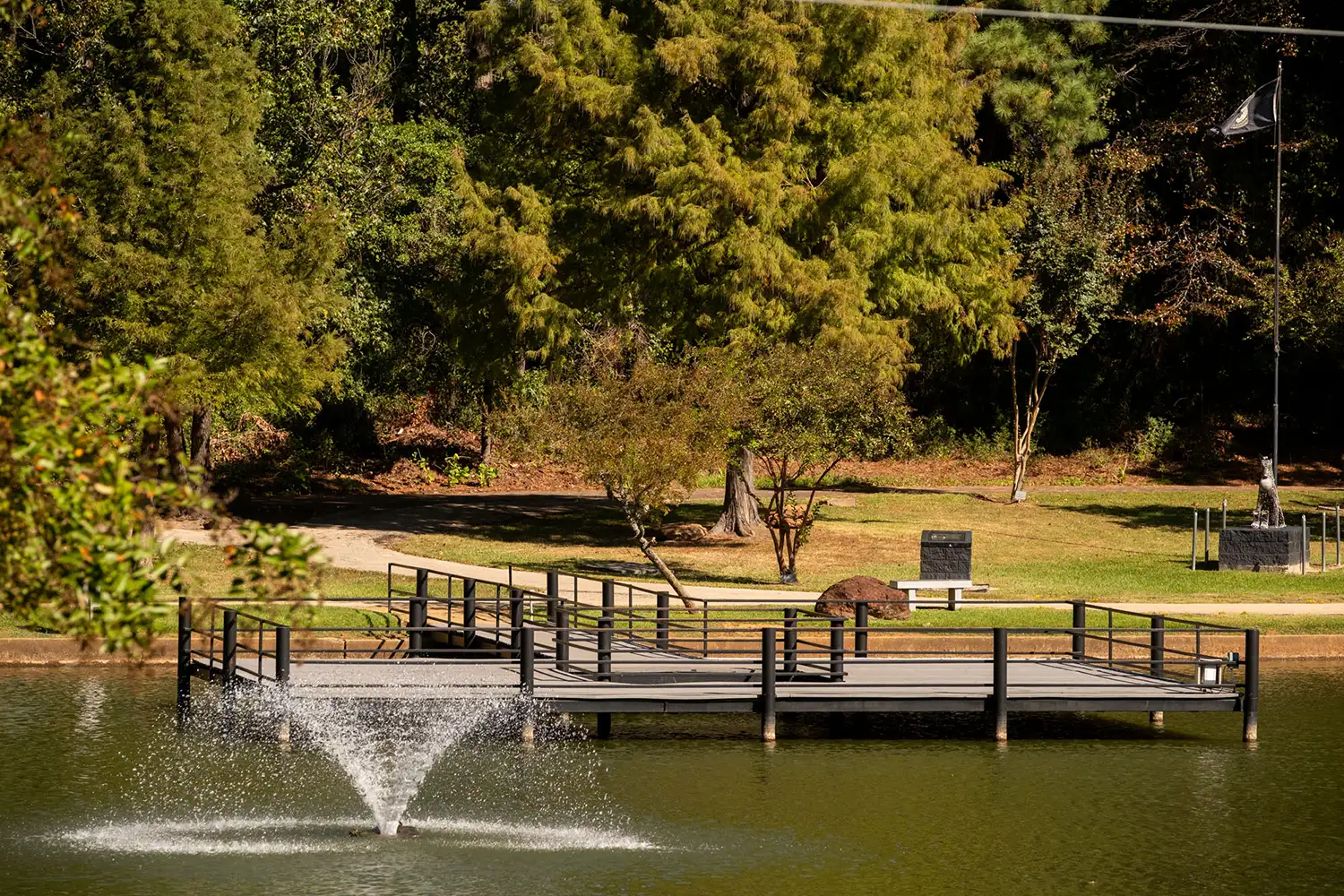
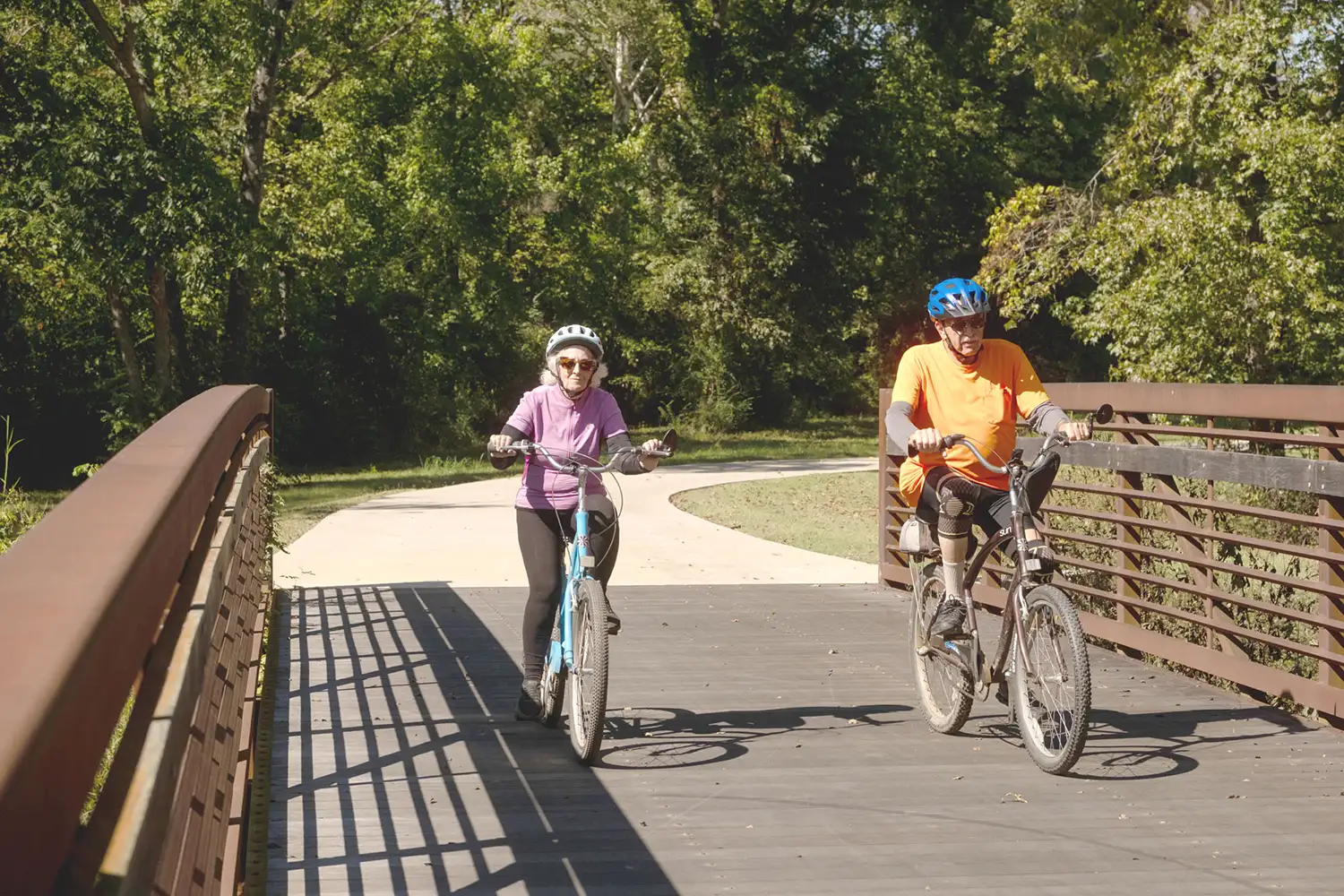
Not far behind in impact is the city’s trail system, a project born out of Longview’s 2015 Comprehensive Plan. Recognizing trails as a top community priority, LEDCO invested $4,670,000 into a trail expansion that linked Cargill Long Park Trail to the Paul Boorman Trail and Guthrie Park.
At the end of the day, those amenities, those quality-of-life improvements, help showcase the strength of our community.”
“The trails are utilized more than just for exercise,” he said. “They’re a form of transportation.”
This strategic investment in trails demonstrates how LEDCO’s Type B projects support not only quality of life but also workforce accessibility, helping people reach their jobs.
Traffic Signals and Infrastructure
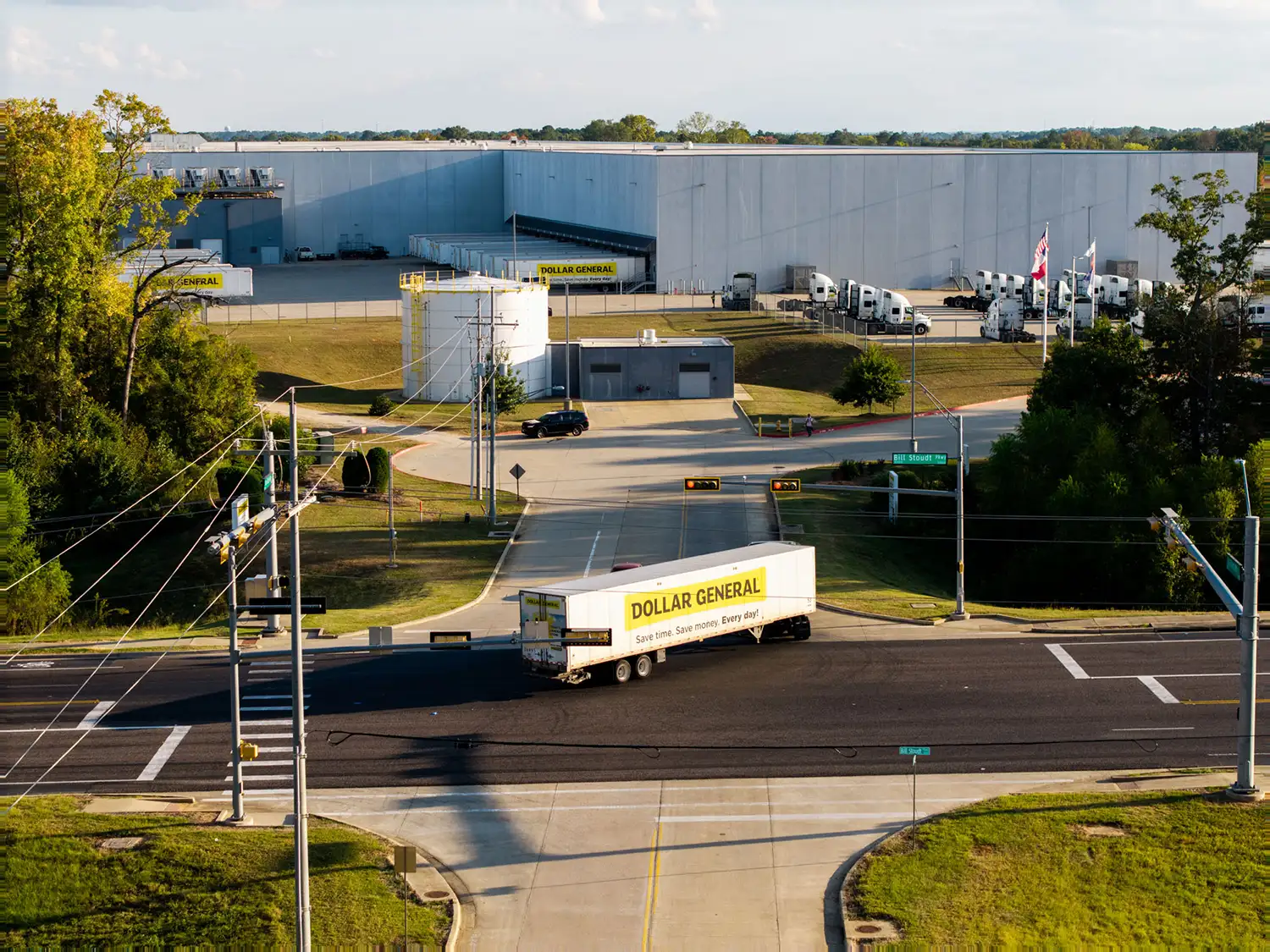
When George Richey Road expanded, LEDCO was successful in recruiting a key business to the north side of town: Dollar General.
When the Dollar General warehouse opened, it created significant traffic along the newly expanded George Richey Road at Lou Galosy Way. The warehouse receives traffic from commercial trucks (estimated at nearly 200 daily) and it employs hundreds of people.
That increased traffic necessitated a need for a traffic signal at Lou Galosy Way and, shortly after, at McCann Road and George Richey. In 2018, LEDCO contributed $270,000 toward the traffic signal at Lou Galosy Way and $60,000 toward the signal at McCann Road to enhance public safety for residents and businesses.
LEDCO has also contributed recently to other infrastructure improvements. When FRESH by Brookshire’s, an upscale grocery concept, decided to build a location in Longview, LEDCO couldn’t offer a direct incentive. The economic development corporation cannot contribute toward retail projects, but they were able to make an equally impactful investment in another way.
“We cannot incentivize retail, but we can pay for infrastructure,” Mansfield said. “So, with FRESH, in order to help them choose Longview as their location, we contributed $1.5 million toward relocating a sewer line and improving drainage at the site.”
The arrival of FRESH is expected to be a catalyst for surrounding development, boosting retail momentum in one of Longview’s busiest corridors.
“We didn’t incentivize them directly,” Mansfield said. “We like to put the tax dollars into infrastructure because then it’s city owned and maintained…But I think the impact this has on the community is going
to be tremendous.”
Supporting Public Safety
One of the clearest examples of LEDCO’s community commitment is its contribution to public safety infrastructure. The organization donated 90 acres in the Longview Business Park for the city’s new fire training center, which enabled the fire department to move from Stamper Park to a new site.
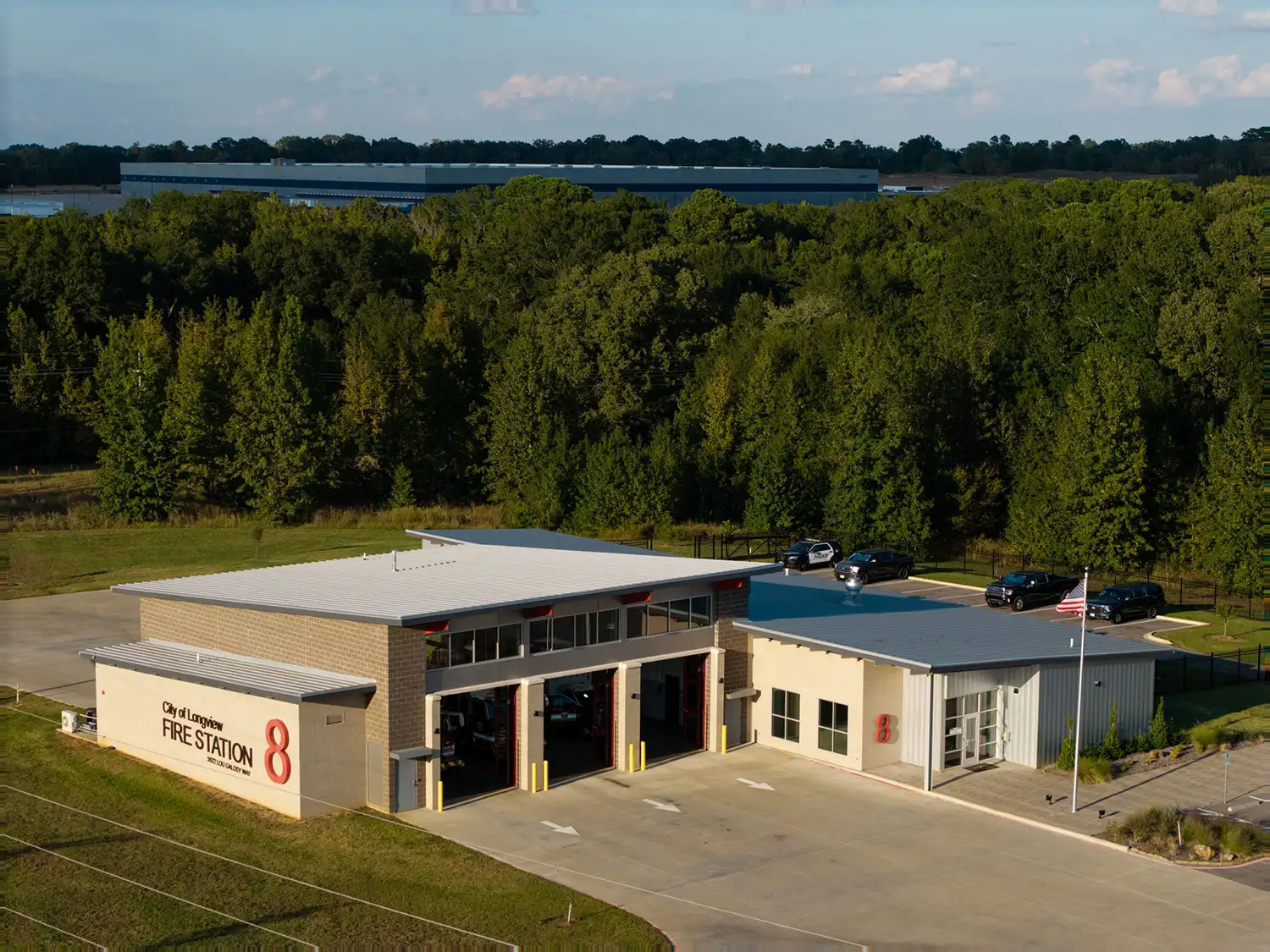
“We also donated 15 acres for the new fire station in the North Business Park,” Mansfield added. “We were happy to partner with the city on that. What better incentive to show
the industry that we care about their safety than having a fire station right there across the street from your location?”
LEDCO’s contributions don’t stop at fire facilities. The corporation also committed $1 million to Teague Park improvements, including purchasing the American Legion building as part of a larger grant-funded redevelopment plan.
When complete, the revitalized Teague Park will serve as a welcoming green space along Highway 80, complementing the corridor’s recent commercial upgrades.
“That’s going to be an incredible project to really showcase Teague Park, which is a hidden gem,” Mansfield said. “And, I think, opening those corridors along Highway 80 is going to be a really good thing for the city.”
Pickleball and Public Transit
LEDCO’s Type B projects aren’t limited to infrastructure initiatives. They also support projects that reflect the community’s interests.
For example, LEDCO recently contributed $300,000 toward new pickleball courts at McWhorter Park, responding to the sport’s rising popularity and its potential to draw both recreational players and regional tournaments.
LEDCO also contributed $350,000 to Longview’s public transit system, recognizing its critical role in connecting residents to jobs, healthcare, and retail.
“We feel that’s important in terms of economic development,” Mansfield said. “Transportation is essential for people to get to work.”
When communities invest back into their space, companies notice. Residents notice. And it makes a difference.”
Pickleball and Public Transit
LEDCO’s Type B projects aren’t limited to infrastructure initiatives. They also support projects that reflect the community’s interests.
For example, LEDCO recently contributed $300,000 toward new pickleball courts at McWhorter Park, responding to the sport’s rising popularity and its potential to draw both recreational players and regional tournaments.
LEDCO also contributed $350,000 to Longview’s public transit system, recognizing its critical role in connecting residents to jobs, healthcare, and retail.
“We feel that’s important in terms of economic development,” Mansfield said. “Transportation is essential for people to get to work.”
Making a Difference
Since Mansfield joined LEDCO in 2016, the organization has invested approximately $16.85 million in Type B projects. Each project, he said, reflects strategic alignment with community priorities, as well as close partnerships with the city and county.
These investments do more than build amenities. They signal confidence. When companies scout new locations, they look for communities actively
reinvesting in themselves
“Especially if they’re bringing in plant managers or senior leadership from outside the area, they’re accustomed to these types of amenities,” Mansfield said. “It ranks high for their workers, too.”
Ultimately, LEDCO’s Type B projects are about more than roads, trails, or training centers — they’re about people. They make Longview a better place to live, work, and do business. They create spaces where families gather, workers commute safely, businesses flourish, and communities thrive.
“When communities invest back into their space, companies notice. Residents notice,” he said. “And it makes a difference.”